
Worcestershire County Council faces an £85m gap next year and expects to borrow £84.5m to cover it. Its budget survey is open until 31 October.
Worcestershire County Council is asking residents where it should cut, as it faces a gap of around £85 million in next year’s budget. Its survey is open until 11pm on Saturday 31 October.
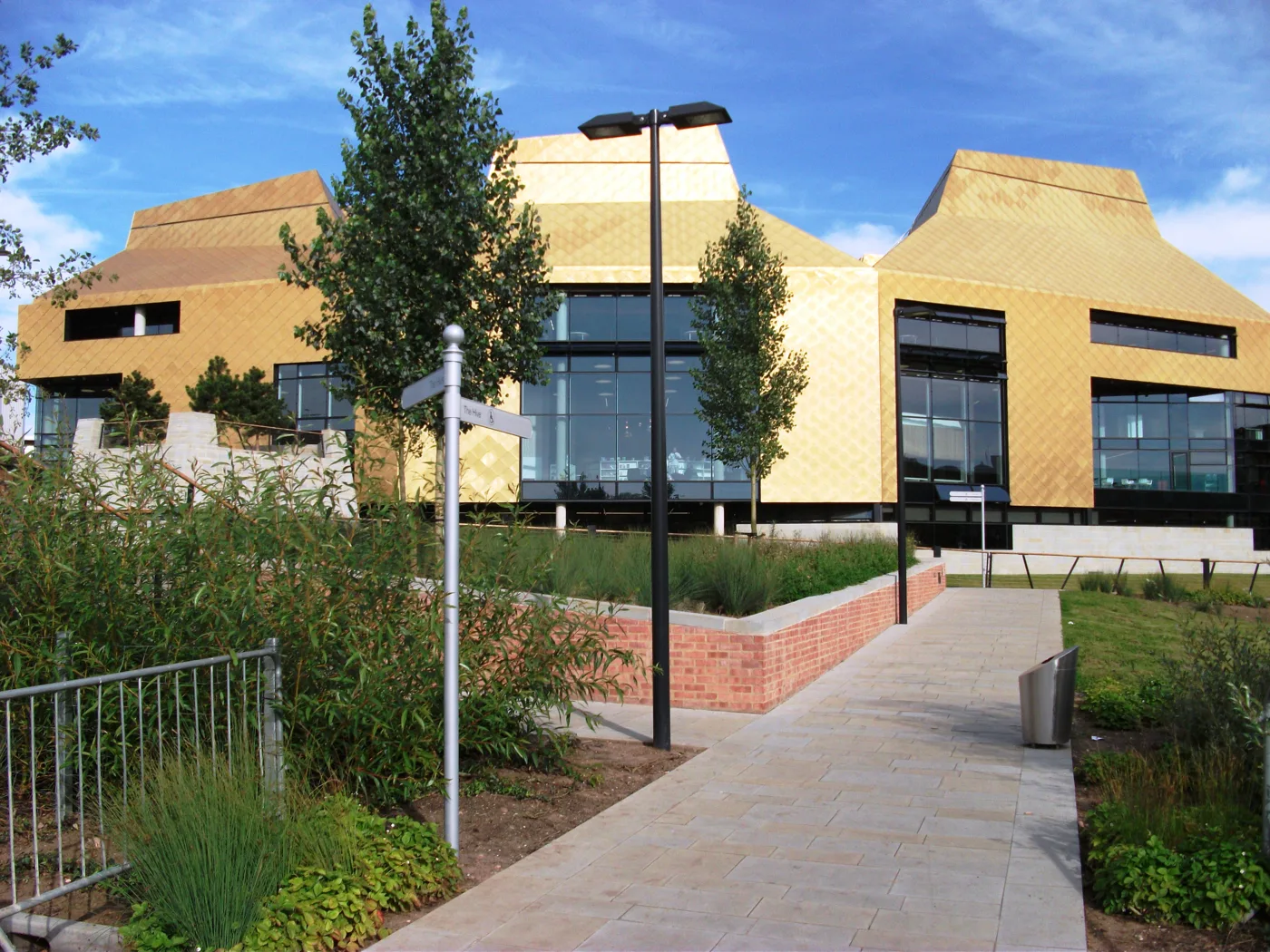
The council runs adult and children’s social care, special needs support, roads, libraries including The Hive, the tips and school transport for Worcester as well as the rest of the county. The city council collects your council tax, but most of the bill goes to the county.
The consultation opened on 1 October (Worcestershire County Council). The figures below come from the council’s own Budget Consultation 2027/28 page, which sets out the books in more detail than most councils publish.
Where the £85 million comes from
The council expects its core services to cost about £47 million more next year. It blames growing demand for social care, higher contract prices, inflation, minimum wage rises and transport for more children with special educational needs.
On top of that, £59.9 million of this year’s spending was not covered by permanent income. That makes total pressures of around £107 million.
Even with the largest council tax rise normally allowed, the council says its income will grow by only about £22 million. That leaves the £85 million gap.
The government’s three-year funding settlement adds just £0.6 million in 2027/28 and £1.4 million in 2028/29, the council says.
It is already borrowing to pay for day-to-day services
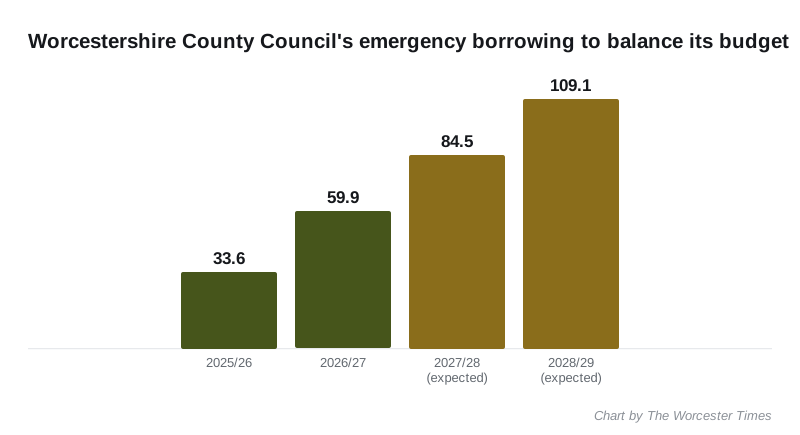
Councils are not normally allowed to borrow to run services. Worcestershire has had special permission from the government to do so, called Exceptional Financial Support:
- £33.6 million for 2025/26
- £59.9 million for 2026/27
- it has told the government it is likely to need around £84.5 million in 2027/28
- and around £109.1 million in 2028/29
The borrowing is repaid over 20 years. This year’s alone will cost about £3.9 million a year, on top of £1.9 million a year for last year’s.
Even with this year’s £59.9 million, the council forecasts an £8 million overspend in 2026/27. If it is not recovered, its risk reserve would fall to £9 million. Its general reserve is £22.8 million, which is £8.2 million short of the 5% it is advised to hold.
What is driving the cost
The council compares demand now with six years ago. The biggest changes:
| Measure | Then | Now | Change |
|---|---|---|---|
| Children in residential care | 87 | 199 | up 129% |
| Children and young people with an EHCP | 4,312 | 9,034 | up 110% |
| Home to school transport budget | £17m | £48m | up 182% |
| Learning disability services budget | £61m | £102m | up 67% |
| Younger adults receiving a service | 2,811 | 3,797 | up 35% |
The children’s figures compare 2020 with 2026. The budget figures compare 2021/22 with 2026/27.
Special needs funding is a separate problem. The schools grant that pays for it is forecast to overspend by £104 million this year. The council says the government will fund 90% of historic deficits, but it may still have to cover at least 10%, around £40 million by March 2028. “No money has yet been set aside for this,” the page says.
On Tuesday the council said the Department for Education had approved its SEND reform plan. That approved plan is the condition the consultation page attaches to the 90% deficit funding.
Where the money goes now
The council’s gross budget is £1.24 billion. The largest areas, with the cost per resident:
- adult social care: £364.0 million, £586 a resident
- schools, high needs and early years: £326.7 million, £526 (mostly government grant)
- children’s social care: £154.2 million, £248
- waste disposal and the tips: £59.0 million, £95
- home to school transport: £53.1 million, £86
- roads, pavements, gritting and street lights: £41.8 million, £67
- libraries, the mobile library and The Hive: £10.6 million, £17
What it means for you
Council tax. The county’s share of a Band D bill this year is about £1,761, after an 8.98% rise approved in February. That was one of seven councils allowed to go above the usual limit. Our Worcester council tax bands page has the full bill for every band.
The council’s forecast for 2027/28 assumes a 4.99% rise. For Band D that is about £88 a year, or £1.69 a week, taking the county share to around £1,849. It would raise roughly £20 million, which still leaves the £85 million gap.
Services. The survey asks how comfortable you would be with cuts in different areas. The council lists the options as a rise above the usual limit (which needs government approval), the maximum 4.99%, or a smaller rise or freeze with “fewer or reduced services, longer waits and less support for vulnerable people”.
How to take part.
- Read the background and fill in the online survey. The council says it takes a few minutes.
- For a paper copy or another format, email BudgetConsultation@worcestershire.gov.uk.
- It closes at 11pm on Saturday 31 October 2026.
The 2027/28 budget will be set in February 2027.
The wider picture
This is the county’s budget, not the city’s. Worcester City Council sets its own small share of the bill separately.
Plans to replace Worcestershire’s two tiers of councils with two unitary councils are paused by the government, and the council says no timetable has been set. Until that changes, the county must still set a balanced budget for 2027/28.
The county is also selling its former headquarters. Offers for the County Hall site on Spetchley Road close on 12 November.
Have your say